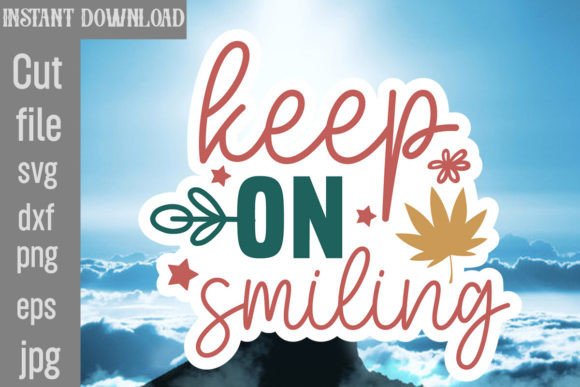
Keep on Smiling SVG: A Designer's Real-World Review
As a designer who spends more time staring at stitch maps than most people spend looking at their phones, I approach every new digital embroidery file with a mix of optimism and skepticism. We have all been there: you buy a cute graphic, convert it, and end up fighting with thread breaks or puckering that ruins a perfectly good handmade product. So, when I recently evaluated the Keep on Smiling SVG Cut File, I didn't just look at the preview image. I looked at it through the lens of what actually happens when needle meets fabric.
The first thing that strikes you about this design is its mood. It is unapologetically cheerful. In a market saturated with overly complex, hyper-detailed graphics that scream "I was made by an algorithm," this piece feels grounded. The typography suggests a hand-lettered vibe, which translates beautifully into satin stitch applications. For a craft business owner, mood is everything. Your customers aren't just buying a shirt; they are buying a feeling. This design sells positivity, making it an instant winner for personalized gifts aimed at lifting someone's spirits.
From Screen to Stitch: A Real-World Test
To give this a fair shake, I imagined a specific scenario: a custom order for a local boutique needing a run of sweatshirt embroidery for their spring collection. The client wanted something simple but impactful for French terry cotton. This is where the Keep on Smiling SVG Cut File really shines. Because the download includes vector formats like EPS and SVG, the scalability is excellent. I could resize the artwork to fit a standard 4x4 hoop without losing the integrity of the letter curves.
However, here is the critical part for my fellow Etsy sellers and apparel decorators: this is a cut file package, not a pre-digitized machine embroidery design. The download provides the artwork (SVG, DXF, EPS, PNG), which means you must digitize it yourself or send it to a digitizer. This is actually a benefit for professionals. It allows you to control the stitch density based on your specific machine and the fabric texture you are using. If you are working on a thick hoodie, you can adjust the underlay and pull compensation to prevent the text from sinking in. If you were forced to use a pre-made stitch file, you might be stuck with a density that is too high for heavy fabrics.
Ideal Applications for Small Shops
Once digitized correctly, this design is incredibly versatile. I can see it working perfectly as a tote bag design. The positive message pairs well with canvas materials, and the open spacing between letters allows the natural weave of the bag to show through, giving it an organic, high-end feel. It is also a strong contender for baby embroidery. Parents love uplifting messages on onesies and bibs. Since the design is text-based without excessive fill areas, it remains soft against sensitive skin, provided you use a soft backing stabilizer.
For those running a small shop product line, consider using this for embroidered patches. The clear lines of the SVG make it easy to create a merrow edge or a clean satin border around the text. Patches are huge right now, and a "Keep on Smiling" patch could be a best-seller at craft fairs. Furthermore, the included 300 DPI PNG is a goldmine for creating printable mockups. Before you even stitch a single thread, you can place this transparent graphic onto product photos to show clients exactly how the finished product will look. This builds trust and reduces back-and-forth communication.
Navigating Technical Challenges
While the design concept is solid, practical execution requires attention to detail. If you plan to use this on stretchy fabric like jersey knit, you must be careful with the digitizing settings. Thin lines in the "Smiling" text could become distorted if the fabric stretches during stitching. I recommend using a cut-away stabilizer rather than tear-away for these projects to maintain long-term stability.
Another consideration is thread colors. The simplicity of the design means color choice is paramount. On a dark garment, a bright white or pastel yellow thread will pop, but you need to ensure your satin columns are wide enough to cover the base fabric effectively. If the columns are too narrow, the dark fabric might peek through, ruining the crisp look. Conversely, on light fabrics, you have more freedom, but you still need to watch out for shadowing if your underlay isn't sufficient.
Curved surfaces present another hurdle. If you are attempting this as a cap embroidery project, the center front panel is your only safe zone. The curvature of the brim can distort the horizontal flow of the text. Always test on a scrap piece of the actual cap material first. The same applies to textured fabrics like waffle weave or heavy towels. The needle needs to penetrate cleanly; if the design is too dense, it will cause puckering that no amount of pressing can fix.
Maximizing Value and Professionalism
Using a high-quality source file like the Keep on Smiling SVG Cut File directly impacts your brand consistency. When your custom apparel looks professional, customers return. Sloppy stitching or distorted logos kill repeat business. By starting with a clean vector (EPS or SVG), you ensure that every curve is mathematically perfect before it ever becomes a stitch. This level of precision elevates your work from "homemade" to "handcrafted professional."
For commercial embroidery projects, speed is also money. A design with balanced stitch counts sews out faster and uses less thread. Since you are controlling the digitization from these vectors, you can optimize the path to minimize jumps and trims, making your production runs more efficient. This is crucial for holiday embroidery seasons when order volumes spike.
Final Verdict and Designer Notes
The Keep on Smiling SVG Cut File is a robust asset for any creative entrepreneur's library. It offers the flexibility needed for diverse projects while maintaining a strong visual identity. However, remember that this is a Graphics product within the Crafts category, meaning the heavy lifting of digitization is in your hands.
Before launching this into your store, follow these practical steps:
- Test on scrap fabric: Never skip this. Verify how the stitches interact with your specific material.
- Check licensing: Ensure the license terms allow for the sale of physical finished goods if you plan to sell them commercially.
- Review contrast: Mock up the design in black and white to ensure the shapes hold up without relying on color.
- Inspect small details: Zoom in on the vector nodes to ensure there are no stray points that could confuse your digitizing software.
- Confirm hoop size: Make sure your scaled design fits comfortably within your machine's hoop limits with room for clamping.
In conclusion, if you are looking for a design that brings joy and offers technical flexibility, this is a strong candidate. It rewards the designer who takes the time to digitize it properly, resulting in a finished product that customers will love to wear and display.