Review: Good Things Take Time SVG Cut File for Embroidery
As a designer who spends more time at the hoop than away from it, I approach every new digital embroidery file with a mix of curiosity and skepticism. We have all downloaded a "perfect" design only to find it turns into a bird's nest of thread on our favorite sweatshirt. So, when I pulled up the Good Things Take Time SVG Cut File, I wasn't just looking at a cute phrase; I was evaluating its potential as a viable asset for my craft business and client projects. This isn't just a graphic; it is a mood, a statement, and potentially a best-seller if handled with the right technical eye.
First Impressions: Mood and Visual Personality
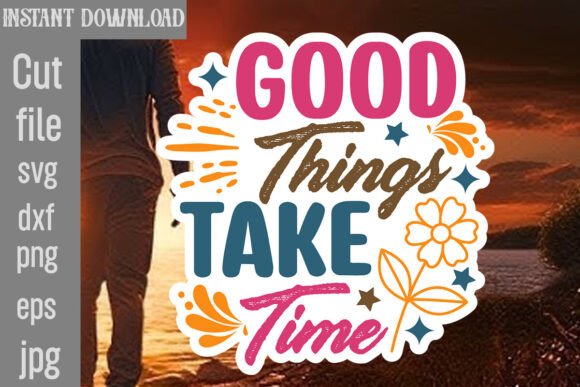
The immediate takeaway from this design is its gentle, reassuring vibe. In a world of loud, aggressive typography, this piece whispers. It fits perfectly into the current trend of mental health awareness and slow living. Visually, the layout suggests a retro aesthetic that pairs beautifully with modern minimalism. For an embroidery project, this is gold. It tells a story before a single stitch is dropped.
However, translating a Graphics file meant for stickers or prints into a machine embroidery design requires a shift in thinking. The curves look smooth on screen, but how will they translate to thread? The flow of the text suggests a need for careful digitizing to maintain legibility without creating excessive jump stitches or bulky underlay. If you are planning to use this for a personalized gift or a boutique item, the emotional resonance is already there; the challenge lies in the execution.
Real-World Application: The Tote Bag Test
To truly evaluate this design, I imagined a specific scenario: a custom order for a local yoga studio needing custom apparel and merchandise. They wanted something uplifting for their new line of canvas tote bags and organic cotton sweatshirts. The Good Things Take Time SVG Cut File felt like the natural choice here.
On a canvas tote bag design, the texture of the fabric adds character. The design's likely open spaces would allow the weave of the canvas to peek through, giving it an authentic, handmade feel. For a sweatshirt embroidery application, the softness of the fleece would complement the motivational message. I could see this working exceptionally well as a left-chest logo or a larger back-center statement piece. It is versatile enough for holiday embroidery gifts—think cozy blankets for friends going through tough times—or as a staple item in an Etsy seller's shop focusing on self-care products.
The key to success in these scenarios is scale. On a small embroidered patch, the details might get lost if the lettering is too tight. But on a pillow cover or a kitchen towel, the design has room to breathe. It creates a finished product that feels thoughtful rather than mass-produced.
Technical Considerations and Fabric Challenges
Here is where we need to be realistic. Not every fabric plays nice with every design. Because this motif likely relies on clean lines and possibly script-style fonts, stitch density becomes a critical factor. If the original file is dense, stitching it on stretchy fabrics like jersey knits or thin baby clothes could lead to puckering.
If you are attempting this on a cap or any curved surface, proceed with caution. The curvature can distort the text, making "Good Things Take Time" look warped. For baby embroidery, safety and comfort are paramount; ensure there are no scratchy satin stitch borders on the inside of the garment. When working with dark fabrics, you must verify if the design includes a proper underlay or if you need to manually add one to prevent the background color from showing through the lighter thread colors.
Furthermore, consider the hoop size. If the design is wide, you might need a large hoop, which limits where you can place it on smaller items like socks or narrow apron straps. Always check the dimensions before committing to a specific garment. For textured fabrics like towels or denim, a running stitch or a lighter fill might work better than a heavy satin stitch to avoid sinking into the pile.
Enhancing Brand Value and Customer Trust
Using high-quality motifs like this directly impacts your brand perception. When a customer receives a handmade product with crisp, clear stitching, it builds trust. They aren't just buying a sticker or a shirt; they are buying into the sentiment that "healing is not linear." This emotional connection increases the perceived value of your small shop product.
For those selling design assets or printable mockups, this file offers excellent versatility. It can be showcased in lifestyle photography to evoke warmth and positivity. However, consistency is key. If you use this across multiple platforms—from your website to your packaging—it reinforces your brand identity as one that cares about mental well-being and quality craftsmanship.
Designer Notes for Success
Before you start stitching or listing this for sale, here are my practical recommendations:
- Test on Scraps First: Never run a new design on your final garment without testing it on a scrap piece of the same fabric. Check for puckering and registration issues.
- Check Thread Contrast: Ensure your thread colors pop against the fabric. A low-contrast choice might make the text unreadable, defeating the purpose of the message.
- Review Stitch Density: If the design feels too heavy, consider editing the density in your embroidery software to reduce bulk, especially for wearables.
- Verify Licensing: Since this originates as an SVG, confirm the license terms. Can you sell the physical embroidered item? Can you sell the digitized version? Always clarify this to avoid legal issues in your commercial embroidery ventures.
- Stabilizer Matters: Use the correct stabilizer for your fabric type. Cut-away is often safer for stretchy fabrics to prevent distortion over time, while tear-away works for stable wovens.
- Mockup Testing: View the design in black and white mockups to ensure the shape holds up without relying on color for definition.
In conclusion, the Good Things Take Time SVG Cut File is a promising candidate for meaningful, marketable embroidery work. It bridges the gap between digital art and tactile comfort. With careful attention to fabric choice, stitch settings, and placement, it can become a standout piece in your portfolio. Remember, in our craft, just like the design says, good things really do take time—and a little bit of patience in the setup phase ensures a beautiful result.