Reviewing Thank You for Shopping Small for Embroidery
As a designer who spends more time at the hoop than away from it, I approach every new digital embroidery file with a mix of curiosity and skepticism. We all know the feeling: a graphic looks stunning on a screen, but will it translate into thread without turning into a puckered mess? Recently, I've been evaluating the "Thank You for Shopping Small" design, originally marketed as a sticker SVG for cutting machines like Cricut. While the product description highlights its use in the Crafts category for vinyl projects, my interest lies in its potential as a versatile asset for machine embroidery. Can a vector illustration meant for cutting hold up under the needle? Let's dig into the practical reality of using this design for real-world client projects.
First Impressions: Mood and Layout
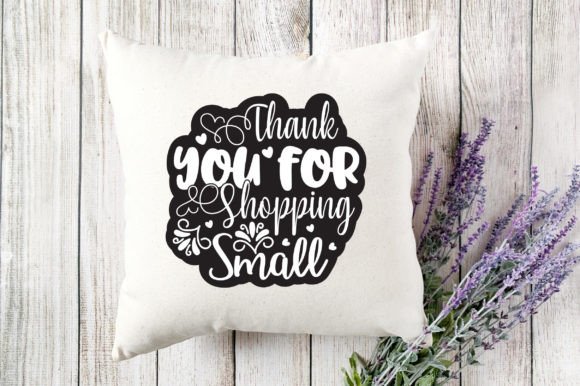
The immediate appeal of Thank You for Shopping Small is its sentiment. In an era where consumers are increasingly conscious of supporting local economies, this phrase carries weight. Visually, the design typically features a hand-lettered or whimsical typography style that suggests warmth and approachability. For an embroidery project, this mood is crucial. It isn't a stiff, corporate logo; it feels personal, which makes it ideal for handmade products.
When analyzing the layout, the text arrangement is generally compact, which is a double-edged sword for embroiderers. On one hand, a tight layout fits well on smaller items like tote bags or patches. On the other, it requires careful digitizing to ensure the letters don't merge when stitched out. If you are converting this SVG yourself or purchasing a pre-digitized version, pay close attention to the spacing between characters. The visual personality screams "boutique," making it a perfect fit for small shop products looking to reinforce their brand identity on packaging or apparel.
Real-World Application: The Tote Bag Scenario
To truly test the viability of this design, I envisioned a specific scenario: a custom order for a local farmer's market vendor. She needed branded tote bag designs that customers would actually want to carry around. The "Thank You for Shopping Small" motif seemed perfect for the interior tag or the exterior pocket of a canvas tote.
In this context, the design performs exceptionally well as a statement piece. When stitched onto a medium-weight canvas using a fill stitch for the letters and perhaps a satin stitch border, the texture adds a premium feel that vinyl simply cannot match. The tactile nature of embroidery elevates the perceived value of the bag. Customers interacting with the finished product are likely to feel a stronger connection to the brand, seeing the effort put into the finished product. It transforms a simple utility item into a personalized gift or a cherished accessory.
Beyond totes, imagine this on a cozy crewneck sweatshirt. Sweatshirt embroidery requires designs that can handle the loft of the fabric. If the digitizing is done correctly with appropriate underlay, this design can sit beautifully on the chest or sleeve of a hoodie, serving as a subtle nod to the wearer's support of independent businesses. It works equally well for holiday embroidery gifts, perhaps stitched onto a kitchen towel or an apron for a hostess present, reminding guests of the value of local commerce even in a domestic setting.
Navigating Technical Challenges
However, enthusiasm must be tempered with technical realism. Since the source material is described as a high-quality illustration for cutting software, we must assume that if you are using this for embroidery, you are either buying a specifically digitized version or converting it yourself. This is where caution is required.
Stitch density is the first hurdle. Vector graphics often have solid fills that, if translated directly to embroidery without adjustment, can create a cardboard-like stiffness. For a design intended for custom apparel or baby items, you need to ensure the density is reduced to maintain fabric drape. If you are stitching this on a stretchy fabric like a t-shirt or a baby onesie, improper density will lead to distortion after the first wash.
Lettering size is another critical factor. The phrase "Thank You for Shopping Small" contains several words. If you attempt to stitch this in a small hoop size, the text may become too tiny to read clearly. Tiny lettering is prone to thread breaks and lost details, especially if using a running stitch instead of a satin column. I strongly advise testing the design on scrap fabric first. Check the legibility of the smallest letters, particularly the "o" in "Shopping" or the "a" in "Small."
Fabric texture also plays a massive role. On a textured linen or a waffle weave, fine details can get lost. Conversely, on dark fabrics, you must ensure your thread colors provide enough contrast. A light thread on a dark background might require a white underlay to prevent the base fabric from showing through the stitches, which can alter the final dimensions of the design. Always check whether the design works for both light and dark backgrounds before committing to a production run.
Enhancing Brand Value and Customer Trust
From a business perspective, incorporating "Thank You for Shopping Small" into your offerings does more than just decorate an item; it communicates values. For an Etsy seller or a craft business owner, using this design on hang tags, patches, or included freebies reinforces the narrative of community support. It builds customer trust and fosters loyalty.
When used as an embroidered patch, this design becomes a portable badge of honor for your customers. Patches are highly popular in the current market and offer a low-risk way for buyers to engage with your brand. The durability of embroidery ensures that the message lasts, unlike printed ink which may fade. This longevity contributes to brand consistency and long-term recognition. Furthermore, for those selling design assets or printable mockups, showcasing this design on realistic textures can significantly boost buyer engagement in your listings.
Practical Notes for the Professional Maker
Before you load this design into your machine for a commercial run, here are a few essential steps to ensure success:
- Verify Licensing: The original description mentions use with cutting software. If you plan to sell items featuring this design, confirm that the license covers commercial embroidery projects. Do not assume rights extend beyond the stated terms.
- Stabilizer Selection: Match your stabilizer to your fabric. For knits and sweatshirts, a cut-away stabilizer is often best to prevent stretching. For woven totes, a tear-away might suffice, but test first.
- Thread Contrast: Experiment with thread choices. Sometimes a tonal look (e.g., navy thread on a black bag) offers a sophisticated, subtle branding effect, while high contrast grabs attention.
- Check File Compatibility: Ensure you have the correct embroidery file format for your specific machine. If only an SVG is provided, you will need reliable digitizing software to convert it properly.
- Inspect Details: Look closely at the corners of the letters. Sharp corners in vectors can become bulky thread nests if not programmed with proper tie-offs or mitering techniques.
In conclusion, "Thank You for Shopping Small" is more than just a cute phrase; it is a strategic design element for the modern maker. Whether applied to a baby embroidery project, a boutique cap, or a holiday gift, its success depends on thoughtful execution. By respecting the limitations of the medium and prioritizing quality stitching, you can turn this graphic into a powerful tool for connecting with your audience and elevating your handmade brand.